Ever looked down at your trusty notebook and wondered what exactly is keeping those pages together? You’re not alone. I’ve dug into the manufacturing specs to give you the exact metals and coatings used in everyday spiral bindings.
Most metal notebook spirals are made of low-carbon steel wire. To prevent rust and improve appearance, this steel core is typically coated with nylon, galvanized with zinc, or tinned. High-end notebooks might occasionally use aluminum or brass-plated wire.
But there is actually a lot more to the story than just plain steel. Let’s dive into the manufacturing secrets behind the different types of binding metals and why manufacturers choose them.
The Core Material: Why Steel Reigns Supreme
When you tear a page out of a spiral notebook, you probably notice how easily the wire bends but quickly snaps back into shape. That is because the vast majority of notebook spirals start their life as a humble spool of carbon steel wire.
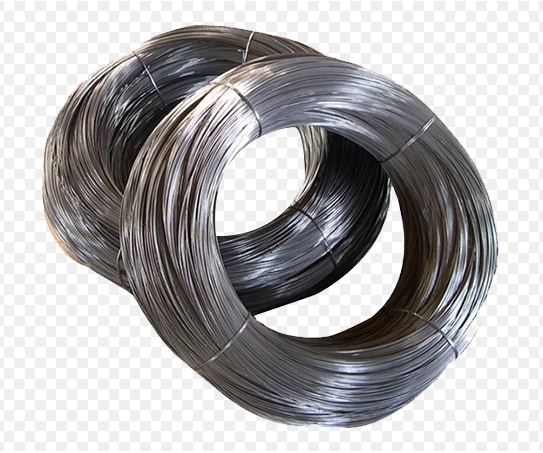
Steel is the undisputed king of the binding industry. It is cheap to produce, incredibly durable, and offers the perfect balance of tensile strength and flexibility. If you deal with manufacturing specifications or source B2B commodities, you might recognize this simply as basic low-carbon steel wire.
However, raw steel rusts quickly when exposed to the moisture in the air. If notebook makers just used bare steel, your favorite journal would leave orange rust stains on your desk within a month.
To solve this, the steel core has to be protected. The metal wire goes through a specialized finishing process before it is coiled into the spirals we know and love. Let me break down exactly how this works.
The Big Three: Common Spiral Coatings
Not all steel wire is treated equally on the factory floor. Depending on the notebook’s price point and purpose, manufacturers generally rely on three main finishes to protect the metal.
1. Nylon-Coated Steel Wire
This is the colorful wire you see on standard school notebooks and premium planners. Manufacturers take the raw steel wire and extrude a thin layer of nylon plastic over it.
Nylon is fantastic because it allows for literally any color under the sun. It also provides a smooth, frictionless surface so your notebook pages turn easily without catching on bare metal. It is highly durable and resists chipping even if you toss the notebook into your bag.
2. Galvanized Steel Wire
Have you ever seen a plain, silver-colored spiral on a basic legal pad or a heavy-duty steno book? That is usually galvanized steel.
In this process, the steel wire is dipped into molten zinc. The zinc creates a chemical protective barrier that stops rust dead in its tracks. It is an industrial, no-nonsense look that gets the job done cheaply and effectively.
3. Tinned Steel Wire
Tinned wire is similar to galvanized, but instead of zinc, the steel is coated with a microscopic layer of tin. This gives the spiral a brighter, shinier finish compared to the duller gray of zinc.
It looks a bit more premium, making it a popular choice for double-loop wire binding. You will often see this shiny metal on high-end corporate reports, wall calendars, and professional portfolios.
Comparing Notebook Binding Materials
Here is a quick breakdown of how these metals and coatings stack up against each other.
| Material Type | Appearance | Rust Resistance | Cost | Typical Use Case |
| Nylon-Coated Steel | Any solid color | Excellent | Moderate | School notebooks, planners |
| Galvanized Steel | Matte silver/gray | Good | Low | Steno pads, budget notebooks |
| Tinned Steel | Shiny silver | Good | Low to Moderate | Wire-o binding, calendars |
| Bare Aluminum | Matte silver | Excellent | High | Specialty or heavy-duty journals |
What About Double-Loop Wire?
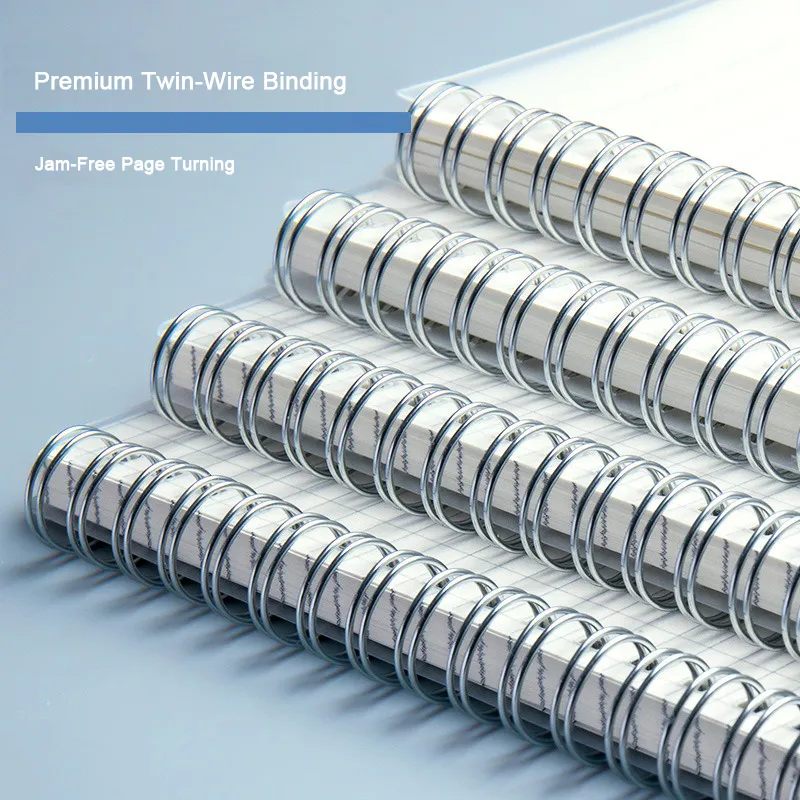
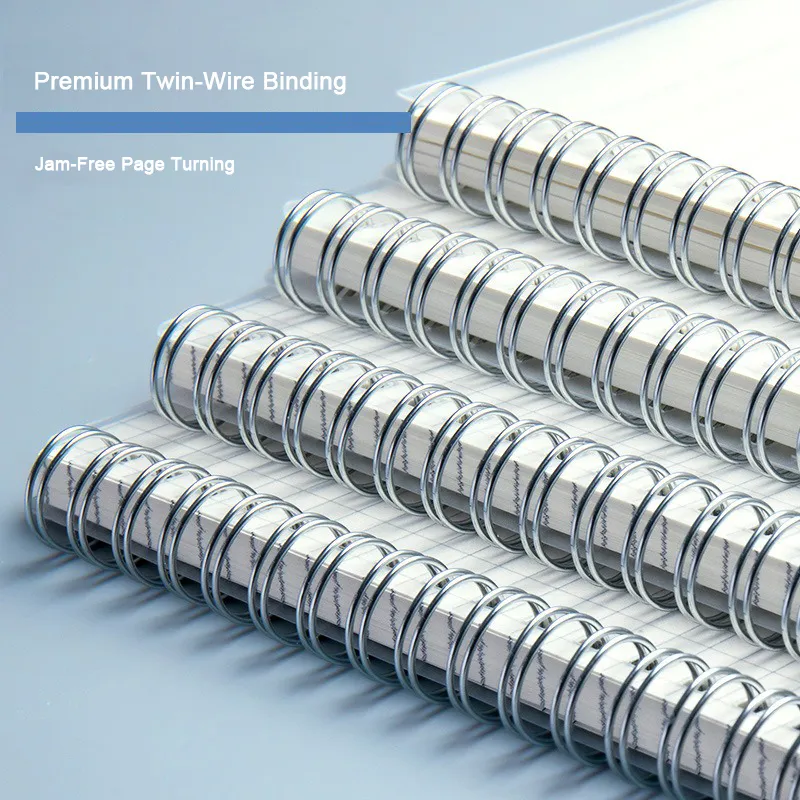
If you look closely at some notebooks, you might notice the wire loops through the holes twice. This is called double-loop wire, or “Wire-O” binding.
Double-loop wire almost exclusively uses nylon-coated or tinned steel wire. It is thicker and more rigid than standard single-coil spirals. This gives the notebook a much sturdier feel and allows the pages to lie perfectly flat when open.
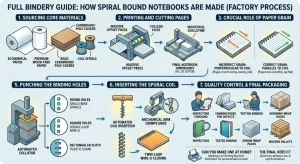
Manufacturers usually package this wire on massive spools. From there, industrial binding machines cut and crimp the wire into shape right on the assembly line.
[Internal Link Placeholder: Check out our complete guide on sourcing industrial metals and manufacturing components for more insights.]
Are Other Metals Ever Used?
While carbon steel dominates the market, you might occasionally bump into a few outliers if you look hard enough. Here are a few alternative materials you might encounter:
- Aluminum: Aluminum is incredibly lightweight and naturally rust-proof. However, it is also softer than steel, meaning an aluminum spiral can crush easily in your backpack. It is rarely used unless the manufacturer wants a specific, chunky aesthetic.
- Brass: Solid brass is simply too expensive for a standard notebook. However, high-end stationery brands sometimes use brass-plated steel wire to give their journals a vintage, luxurious feel.
- Plastic (PVC): Okay, this isn’t a metal at all. But those thick, flexible coils you see on recipe books or training manuals? That is usually extruded PVC plastic, completely metal-free and highly durable.
[Internal Link Placeholder: Read more about our favorite B2B supply chain strategies and material sourcing tips here.]
The Environmental Impact: Can You Recycle Them?
One question I hear all the time is whether you can toss a used spiral notebook right into the recycling bin. The answer is a bit complicated.
Because most notebook spirals are made of steel, the metal itself is highly recyclable. Steel is actually one of the most recycled materials on the planet.
However, paper recycling facilities hate metal spirals. The steel wire can jam up their shredding machines and ruin a batch of paper pulp. To properly recycle a notebook, you really need to separate the metal spiral from the paper first.
Just grab the wire at one end and pull it through the holes, or use wire cutters to snip the ends off. Once separated, the paper goes in the paper bin, and the steel wire can usually go into a scrap metal or mixed recycling bin.
Technical Specs for the Geeks
If you are dealing with manufacturing specifications, the wire used for notebook spirals is not just chosen at random. There is a precise science to getting the binding just right.
Before that steel wire even reaches the notebook factory, it goes through a fascinating process called wire drawing. Steel mills start with thick metal rods and pull them through a series of increasingly smaller conical dies. This cold-drawing process not only thins the wire down to the exact required gauge, but it actually work-hardens the steel, giving it that snappy, spring-like quality you feel when you bend a spiral.
Factories usually specify the exact wire gauge, which is the thickness of the metal. This typically ranges from 0.7mm to 1.2mm depending on the notebook’s size and page count. A thicker gauge means a stiffer, more durable spine.
They also have to calculate the “pitch,” which refers to the number of punched holes per inch on the paper. A 3:1 pitch (three holes per inch) and a 4:1 pitch are the global industry standards. Getting these specs wrong means the wire won’t fit the punched holes, completely ruining the production run.
[Internal Link Placeholder: Learn how to optimize your manufacturing specs for better SEO and product visibility.]
How to Choose the Right Binding
If you are producing your own notebooks or just want to buy the best one for your desk, you should match the metal to your needs.
For a notebook that gets tossed into a backpack every day, a single-coil nylon-coated steel spiral is your best bet. It bounces back from being crushed much better than double-loop wire.
If you are presenting a professional document or want a journal that lies completely flat, opt for tinned double-loop wire. It looks sharper and feels much more premium in the hand.
Summary
So, what metal are notebook spirals made of? The vast majority are crafted from low-carbon steel wire that has been galvanized, tinned, or coated in nylon to prevent rust and improve durability. While you might occasionally see aluminum or brass plating on premium products, sturdy and reliable steel remains the absolute backbone of the notebook binding industry.