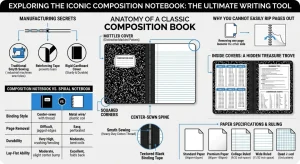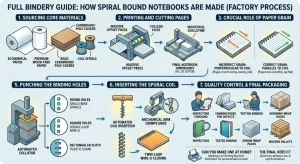
The Anatomy Of A Notebook
What materials are used to make notebooks? Ever looked at a premium journal and wondered exactly what goes into making it feel so luxurious? I’ve spent years analyzing manufacturing specs on the factory floor, and now I’m going to break down exactly what goes into your favorite stationery.
Generally, most notebooks use uncoated woodfree paper for the pages and heavy paperboard, PU leather, or plastic for the covers. Meanwhile, the binding components typically consist of low-carbon steel wire for spirals, or strong polyurethane adhesives and cotton threads for perfect-bound and sewn journals.
However, a massive difference exists between cheap mass-market notepads and high-end travel journals. Therefore, let’s dive deep into the specific raw materials and manufacturing secrets that bring a notebook to life.
Breaking Down the Core Components
First, to truly understand how a notebook comes together, you need to strip it down to its fundamental parts. Every single journal, from a cheap grocery store legal pad to a premium executive diary, relies on three main material categories. Specifically, you have the internal paper block, the protective outer cover, and the binding mechanism holding the whole thing together.
Furthermore, if you are a stationery geek or a B2B buyer sourcing products overseas, you know that swapping out just one of these materials completely changes the final product. For instance, a tiny tweak in the cover material or the binding wire can shift a notebook from a budget school supply to a high-margin luxury good.
Let me walk you through exactly what factories use for each of these core components, starting with the heart of the notebook itself.
Decoding The Paper Stock
If the paper is terrible, the notebook is terrible. It really is that simple. Consequently, when factories produce the internal pages, they almost universally rely on a material called uncoated woodfree paper.
However, do not let the name fool you; this paper absolutely comes from trees. “Woodfree” simply means that paper mills chemically extract the natural lignin from the wood pulp. As you might know, lignin is the compound that makes old newspapers turn yellow and brittle when exposed to sunlight. By stripping it out, manufacturers create a stable, bright white sheet that handles ink beautifully.
Typically, for standard notebooks, factories run 70 to 80 GSM (Grams per Square Meter) paper. On the other hand, if I design a high-end travel journal meant to withstand fountain pens and watercolors, I immediately upgrade that to 100 or 120 GSM acid-free paper.
Cover Materials: Protecting Your Notes
Because the cover is the very first thing you touch, manufacturers spend a massive amount of time sourcing the perfect exterior materials. Ultimately, the materials they select here dictate how well the notebook survives being shoved into a backpack every day.
Factories generally split cover materials into two main categories: softcovers and hardcovers.
Hardcover Foundations
If you pick up a sturdy, rigid hardcover notebook, you are actually holding a clever manufacturing sandwich.
First, paper mills create the core of a hardcover from thick, compressed paperboard, which factory workers usually call “greyboard.” Specifically, recycling facilities manufacture greyboard from recycled paper waste. Since greyboard looks ugly on its own, factories wrap it in a thinner, decorative exterior layer.
Manufacturers create this exterior wrap from several different materials:
- Art Paper: Printers add custom graphics to a thin, coated paper and laminate it with a matte or glossy plastic film to prevent tearing.
- Bookcloth: Weavers back a woven cotton or linen fabric with paper. As a result, this gives the notebook a highly textured, traditional, and academic feel.
- Thermo PU (Polyurethane): Factories use this synthetic leather because it reacts beautifully to heat stamping, making it the absolute standard for premium corporate journals.
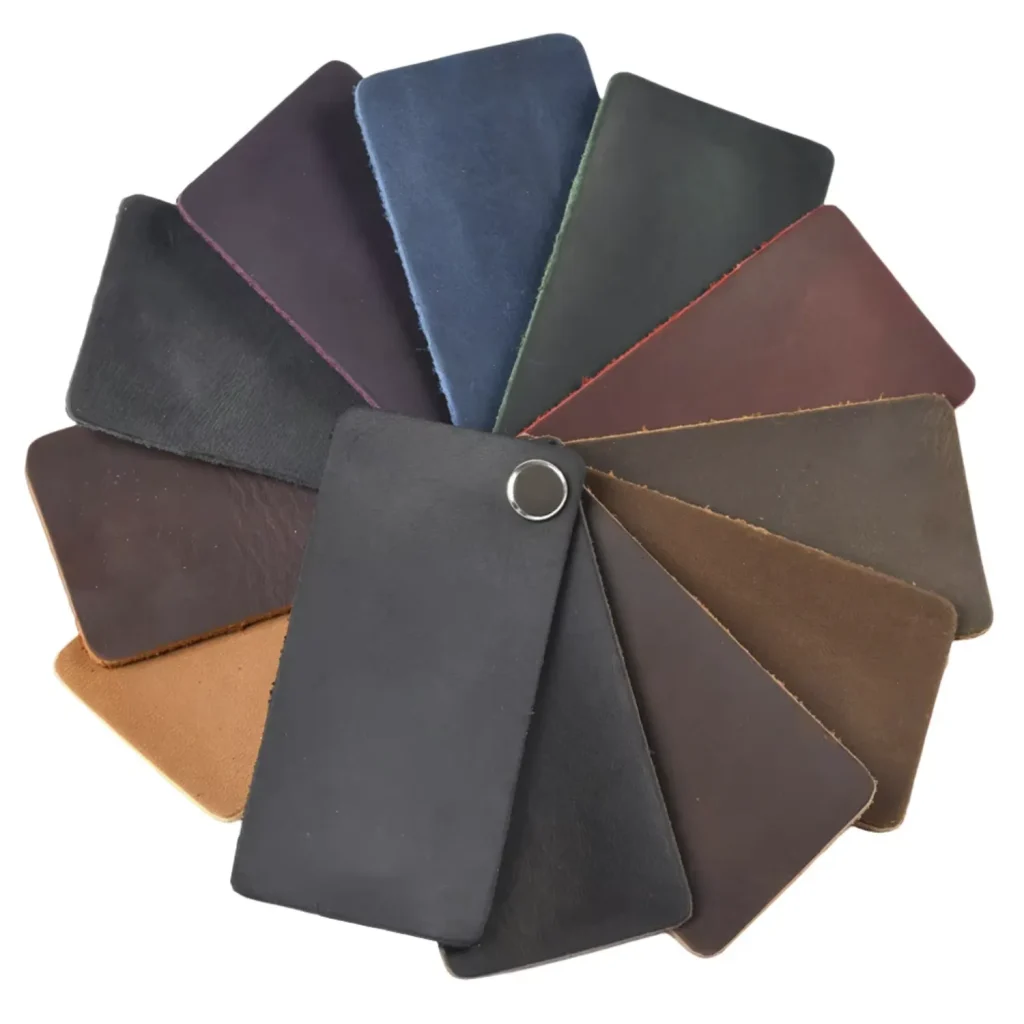
Softcover Alternatives
Alternatively, softcover notebooks skip the rigid greyboard entirely. Instead, they rely on a single, thick layer of flexible material.
For example, I see factories use heavy cardstock (usually 250 to 300 GSM) for basic softcovers. Meanwhile, for more durable options, especially in the travel journal niche, manufacturers lean heavily on flexible PVC plastics or raw, unbacked PU leather. Importantly, these materials bend easily and repel water, making them perfect for outdoor use.
Here is a quick breakdown of how these popular cover materials compare:
| Cover Material | Durability | Flexibility | Cost | Best Use Case |
| Cardstock (300 GSM) | Low | High | Low | Budget planners, promotional items |
| Greyboard + Art Paper | High | None (Rigid) | Moderate | Retail journals, textbook-style notes |
| Thermo PU Leather | Very High | Varies | High | Premium travel journals, executive diaries |
| Bookcloth | Moderate | None (Rigid) | High | Archival logbooks, artistic sketchbooks |
The Binding: Holding It All Together
You can have the best paper and the most luxurious cover, but if the binding fails, the notebook literally falls apart in your hands.
Naturally, the materials you choose for binding depend entirely on the style of the notebook. Factories use a mix of industrial metals, specialized textiles, and chemical adhesives to lock the pages in place.
Metals Used in Spirals and Wire-O
If you are dealing with a spiral or double-loop (Wire-O) notebook, you are looking at industrial wire.
As I have mentioned in previous material breakdowns, factories primarily use low-carbon steel wire for this. To stop the steel from rusting, they coat it. Therefore, you will usually find wire that manufacturers galvanized with zinc for a raw industrial look, tinned for a shiny silver finish, or extruded with a thin layer of nylon plastic for bright, custom colors.
Thread and Adhesives
Conversely, for bound books that look like traditional novels, metal is completely out of the picture. Instead, factories use thread and glue.
In a process called Smyth sewing, industrial sewing machines stitch the folded bundles of paper (called signatures) together using high-tensile cotton or polyester thread. Undoubtedly, this is the absolute gold standard for binding because it allows the notebook to lay perfectly flat on a desk without breaking the spine.
After sewing the pages, workers glue them to the cover. Modern factories rely on PUR (Polyurethane Reactive) adhesive. Unlike older, brittle glues, PUR is incredibly strong and highly flexible. In fact, you can bend a PUR-glued spine backward, and the pages still won’t fall out.
Manufacturing Insights: The Finer Details
We have covered the big three components, but high-quality notebooks feature a few extra raw materials that really elevate the user experience. Consequently, if you want to spot a truly well-made product, you need to look at the finishing touches.
Ribbon Markers and Elastics
Take a look at the built-in bookmark on a premium travel journal. Almost always, factories make that ribbon from woven polyester satin. Manufacturers prefer polyester over silk because it resists fraying at the edges when you constantly pull on it.
Additionally, many notebooks feature an elastic closure band to keep the book shut in your bag. Factories construct this band by wrapping a core of natural or synthetic rubber threads inside a tightly woven nylon sheath. However, getting the exact elasticity right is a massive headache on the factory floor; too tight and the cover bows, too loose and it serves no purpose.
Inks and Foils
You also have to consider the materials printers use to draw the lines on the page. Factories use soy-based or vegetable-based inks to print the internal grids and dots. Not only are these inks eco-friendly, but they also provide incredibly sharp, crisp lines without bleeding into the paper fibers.
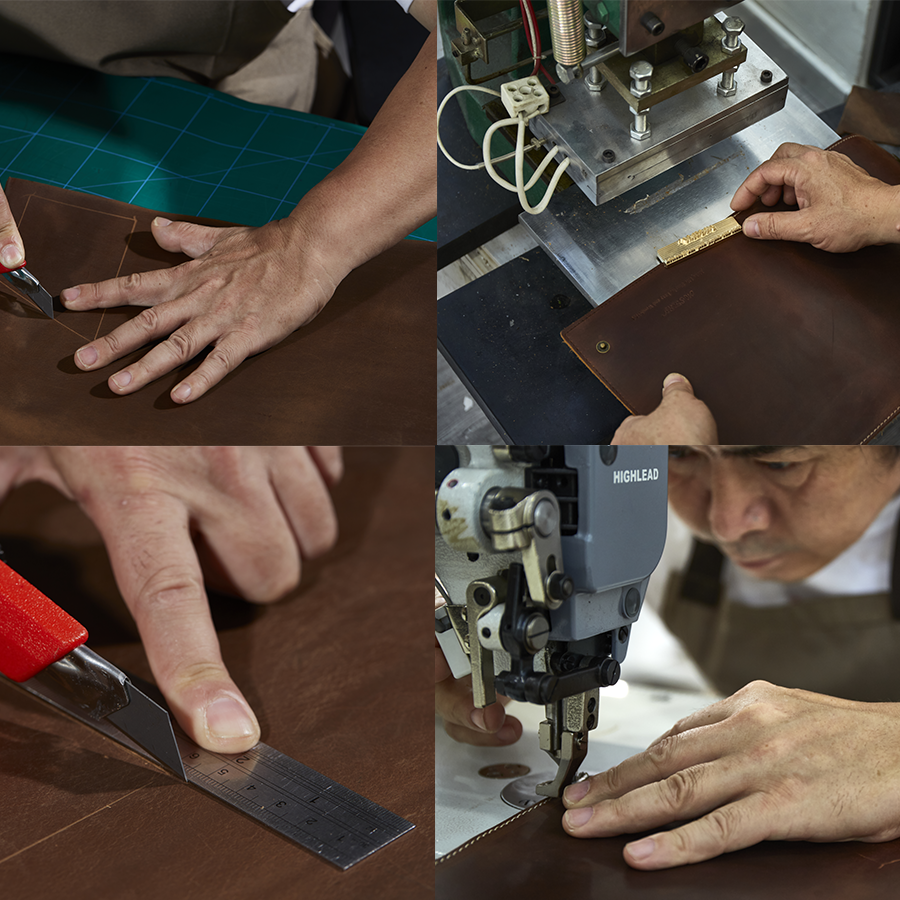
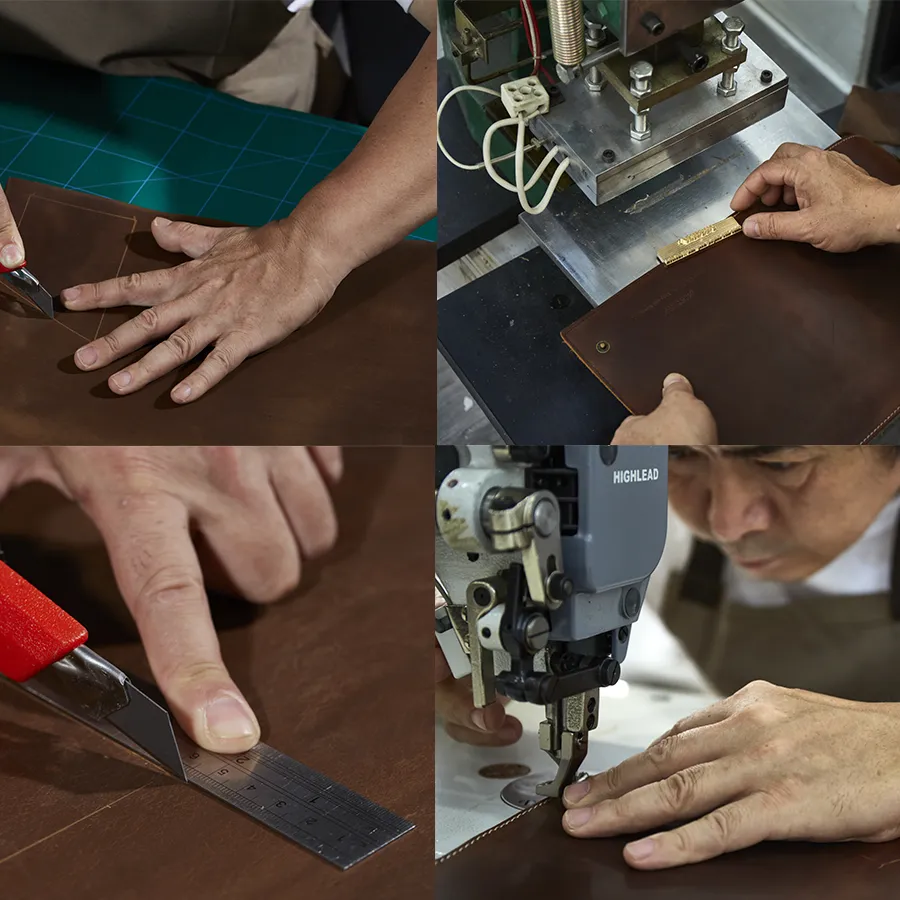
Finally, for cover decorations, such as shiny gold logos, factories do not use liquid ink at all. Instead, they use hot stamping foil. This is a microscopic layer of metallic pigment carried on a clear polyester film. Ultimately, a heated metal die presses the foil directly into the PU leather or paper cover, permanently transferring the metallic finish.
Summary
So, what materials actually make up a notebook? To summarize, the manufacturing process relies heavily on uncoated woodfree paper for the internal pages, offering a smooth and stable writing surface. Manufacturers typically craft covers from rigid greyboard wrapped in PU leather or bookcloth, while softcovers use flexible cardstock or plastics. Finally, factories lock these components together using either low-carbon steel wire for spirals or a combination of high-tensile cotton thread and flexible PUR adhesives for sewn bindings.